Get ready for a combination of metals so sweet alchemists would be proud, _the_ secret weapon amplifier, a classic distortion prime for modification, and sub-octave sounds that will rattle your brain. Let’s dig into the next release of AmpStamp.


Introducing Cabinet Drive
ATTENTION: No speakers were harmed in the making of these tones.
By the mid-1960s, amplifiers were getting louder. Concert amplification had not matured beyond public address systems previously installed in many halls, specifically tuned for voice. Guitarists were forced to use their amplifiers to adequately fill space. Amps needed to get louder. Way louder. When Jim Marshall introduced the first 100 watt amplifier to the world, combined with up to two 4×12″ cabinets, the game was on. As amplifier power sections were getting, well, more powerful, speakers could not keep up with the increased output. This would eventually force complimentary development in speaker technology, but before that could happen, many speakers saw their last days. Pushed to the edge both physically and electrically, speakers would either tear or overheat causing irreparable damage.
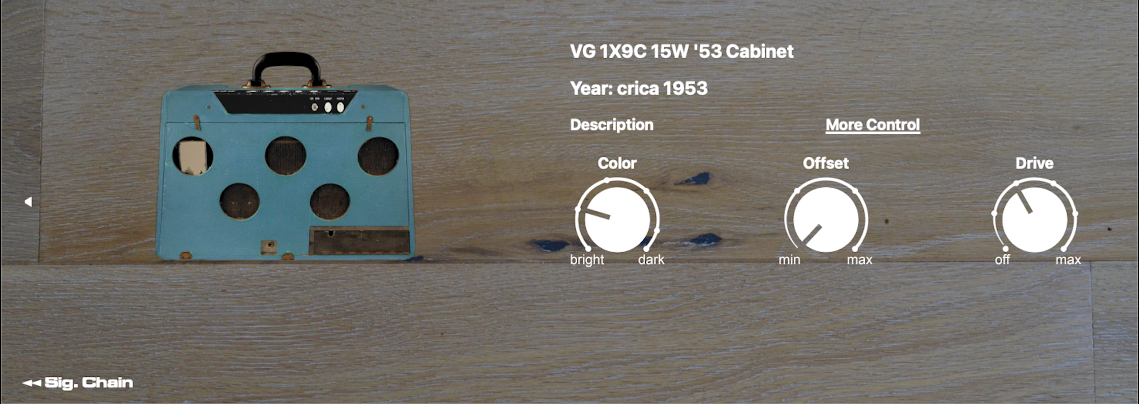
It’s that sound, right before untimely end, that we sought out with our new feature Cabinet Drive. Made available on specific low power speaker models, Cabinet Drive allows individual cabinets to be over-driven akin to being pushed by an amplifier that is too powerful. The effect can be dialed in to simulate subtle peak voltage effects that often happened with mismatched power specifications between peak and root mean square (RMS), or the more extreme effects of sonic destruction. Note: when Cabinet Drive is engaged, the global Master Volume control becomes interactive and can also be used to control drive level.
The Secret Weapon

Th 315B Amplifier features a unique tone circuit that covers a wide range of possibilities, from warm and mellow to bright and cutting. It was Paul McCartney’s first amplifier, and possibly used by Dave Davies of the Kinks, more on that at a later time.
Heavy Metal Starter Kit

One might suggest parametric equalization was a critical element in the birth of heavy metal, we certainly would. This effect brought scooped mids to it’s inevitable extreme. Beyond that, the tight control over all frequency ranges makes it a must-have in any toolkit. We recommend trying this on anything and everything. From fuzz to distortion, FX loops, and even clean tones, if you’re looking for variation, the EQ200 Dual Parametric Equalizer won’t disappoint.
Mod Culture
Is anything really stock? From the first recorded sounds, artists and engineers have clung to special gear, either formally modified, or hand-selected from mass-production for tonal qualities that enabled performances beyond normal expectations. Eventually wizards emerged, claiming special talents that could transform ordinary equipment into things otherworldly, and oh the tone, oh the tone. For guitar players, this started with modifications to their amplifiers for more sustain. Before distortion became the neatly packaged effect that we know of today, musicians were discussing distortion as a means to sustain notes for much longer than seemed humanly possible. Phrasing lead passages or melodic parts could now encompass note lengths previously unheard of, perhaps held only by traditional brass or woodwind instruments via breath control.
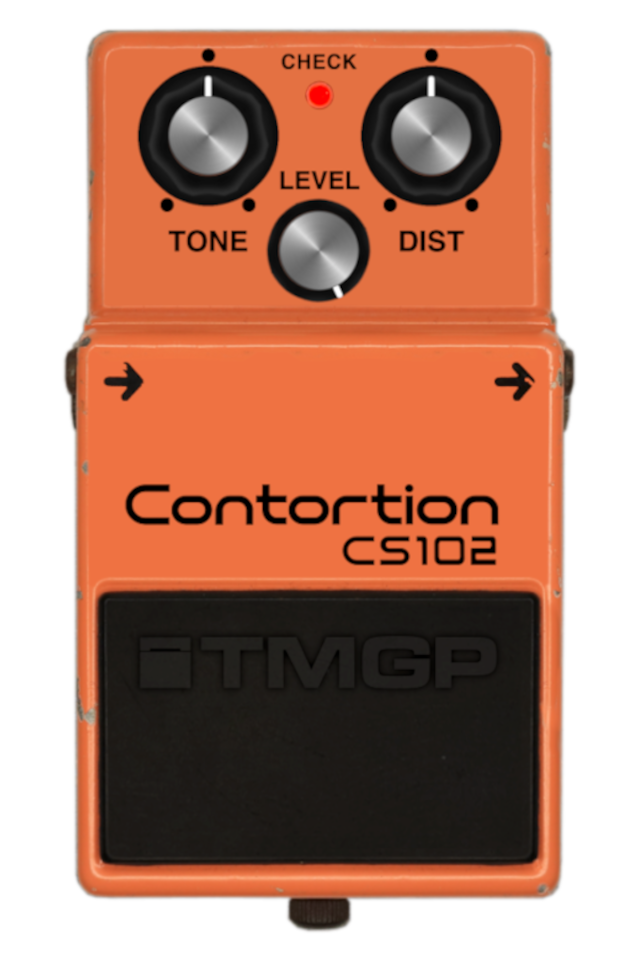
But we digress. With the CS102 Distortion, we included several popular modifications that can transform the pedal from it’s humble beginnings into a screaming monster with sustain for days, literally.
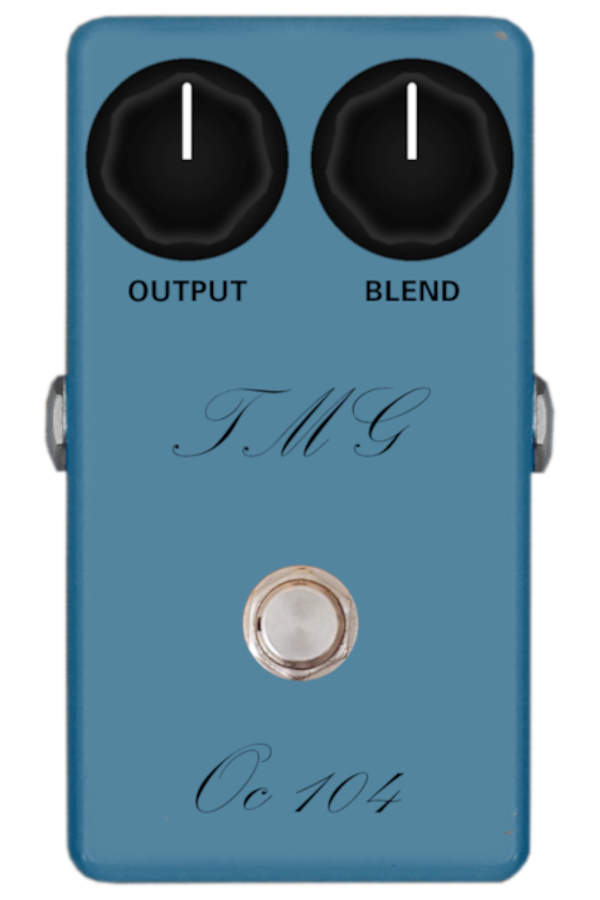
Inspired by a payphone hack, the OC104 Octave Fuzz effect never really found it’s place outside of a notable solo from Jimmy Page. Truly a one-trick pony, we’ve added a couple of features to make things more interesting. It’s a great pedal to throw into any mix, if only just to see how things react.
Aluminum, Nickel, Cobalt
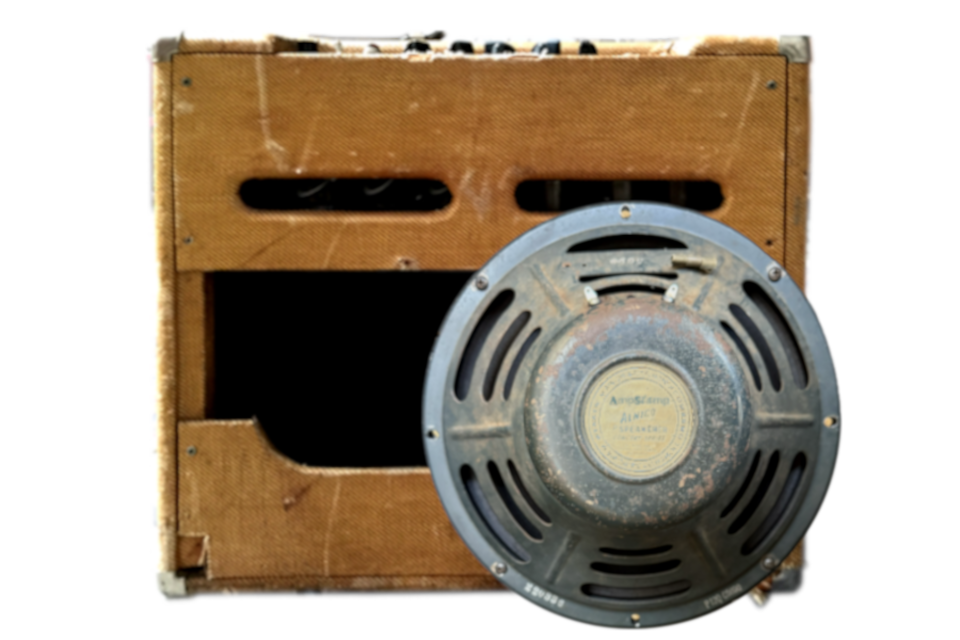
Ah, the sweet sound of alloyed metals. In this case, aluminum, nickel, and cobalt. Typically lower in power than their ceramic counterparts, but with way more character. Paired with the right amp, the VG 1×12″ 15w ’63 Cabinet really sings. Hint: crank the Bass up beyond what you would normally set, this speaker takes it really well. We promise you’ll be delighted by the thump in your playing that you don’t typically hear on records these days.
207A Amplifier Update: Bass Boost

Fresh on the heels of introducing the 1×12″ 15w ’63 Cabinet, we felt it was necessary to allow for increased Bass from the 207A Amplifier. With that comes a very famous defect in tweed Fender amplifiers classified as blocking distortion. With an increase in bass, and a lack of filtering, you can now dial in the amount of blocking distortion from minimal to extreme with the Bass Boost control. Keep in mind that this also depends on where the Volume and Tone controls are set. Blocking effects will be reduced and/or eliminated at lower volumes.
408D Amplifier Update: Boost Channel ’83 / ’87

With the introduction of the 408F Amplifier, we didn’t want to leave the 408D Amplifier in the dust. It was around the same time that the team at Marshall made a number of adjustments, including repositioning where the tone stack was in the Boost Channel signal chain, likely to match what had been recently achieved with the Silver Jubilee series. In this case though, the clean channel volume is noticeably louder which may have resulted in extending diode clipping to the clean channel as an option in the Silver Jubilee series. Here we’ve added a new Boost Channel option to choose the era of gain lineup, ’83 being the original release and ’87 the updated, re-positioned version. With the updated version, this will sound more like a classic Master Volume 2203 model on lower gain settings with the enhanced ability to scoop mids. With increased gain, you’re definitely in heavy metal territory which is a major feature of the 2210 model. Time to dig in.
Same Subscription, More Great Products
As always, we think you’ll find that AmpStamp has endless variations of tone to satisfy guitarists in any genre of music. If you’re already a subscriber, thank you! If you haven’t subscribed yet, hurry up! You’re missing out! Check out the Gear Shop and stay tuned for new products.



 The Musicology Group